Skip to content

AI Supper Club, logistics edition, Singapore

A dinner for Singapore forwarder and 3PL ops leads: the shipping document that can't be wrong

One evening, one topic: where AI that reads bills of lading, invoices and packing lists holds up before a permit goes into TradeNet, and where it doesn't. No slides, no pitches.

  • Thu 10 December 2026, 7 PM
  • Tanjong Pagar, venue shared with approved guests
  • About 10 people
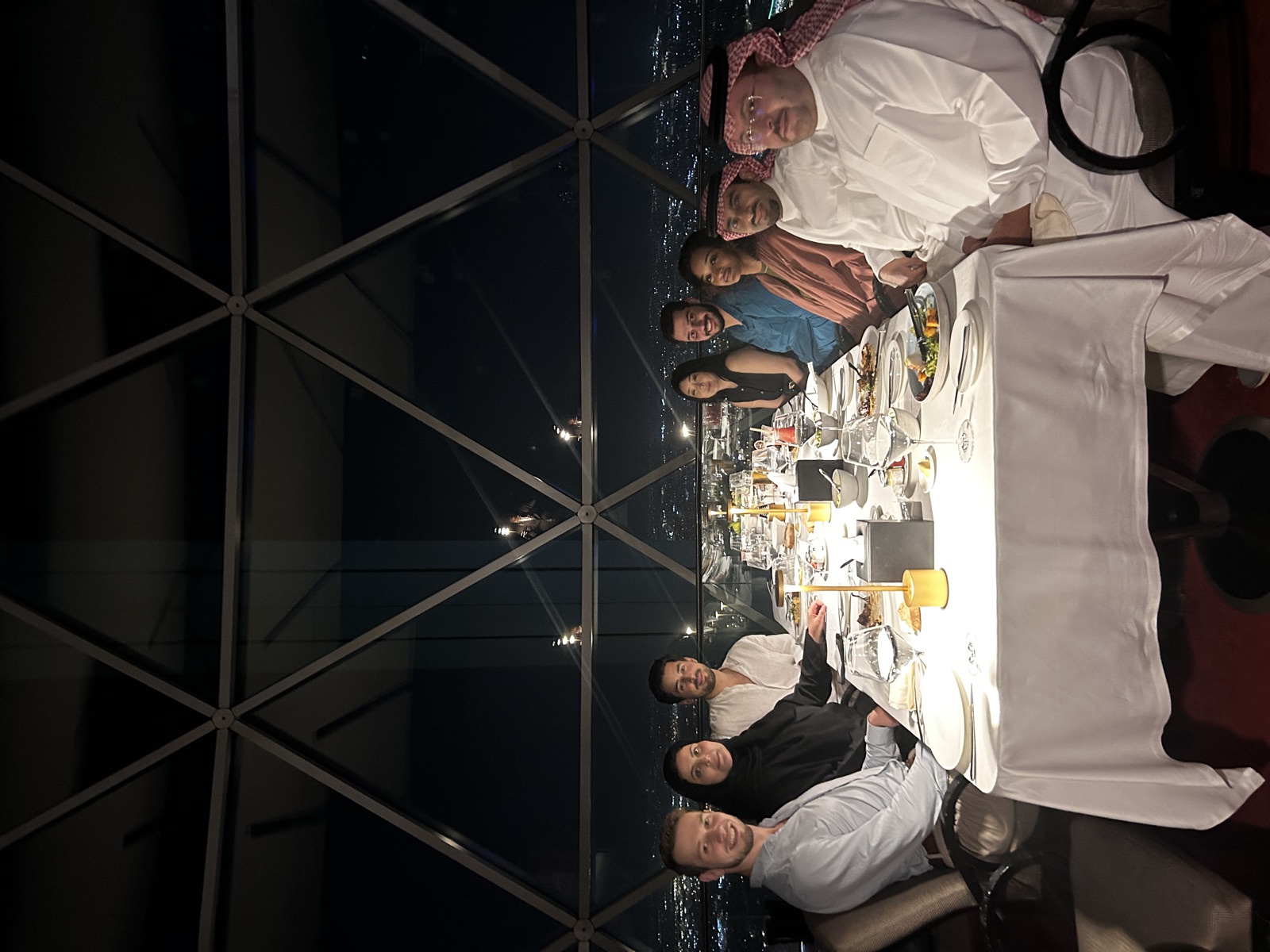
From an earlier dinner: Riyadh, September 2026

Where document AI slips between the invoice and the permit

Most document AI demos read one clean invoice. A permit needs fields that no single document holds. Singapore Customs' permit field guide shows where:

  • Value:

    inward permits take CIF, outward permits take FOB.

    When freight and insurance sit on their own invoice lines, the permit value has to account for them, and a model that copies the invoice's bottom line can declare the wrong value.

  • Weight:

    gross weight includes packing, in tonnes for sea and kilograms for air.

    The packing list may give net weight, the bill of lading gross.

  • Description:

    it follows the invoice wording, no generic descriptions (Circular 09/2025), with brand and model where they apply.

  • References:

    container numbers without hyphens or spaces, the seal number as on the bill of lading, and the master bill for sea and air, plus the house bill when the shipment is consolidated.

Illustrative finding: a model reads "Total USD 48,200" off a commercial invoice where USD 1,900 of freight sits on its own line. On an outward permit the FOB value goes in USD 1,900 too high.

Every character was read correctly, the wrong concept was picked. The fix is a check against the incoterm and permit type, not a better OCR model.

Why the checking matters more than the reading in 2026

TradeNet is Singapore's National Single Window, and only declaring agents submit new declarations, through approved front-end solutions. On 5 August 2026 Customs Circular 10/2026 reminded traders, warehouse operators and declaring agents to make sure everything in permit applications and trade documents is accurate.

A false declaration can mean a fine up to S$10,000, up to two years' jail or both. Incorrect trade descriptions on exports can mean up to S$100,000 or three times the goods value, whichever is greater, on a first conviction.

The documents are also turning into data. Since the 2021 amendment to the Electronic Transactions Act, an electronic bill of lading is legally equivalent to paper, and IMDA's TradeTrust Readiness Programme funds pairs of carriers and digital trade platforms to make them work across platforms, until March 2027.

When the bill of lading arrives as data, reading gets easier. Checking it against the invoice and the permit doesn't go away.

Customs and legal points on this page are summarised from public sources, not legal advice.

Who sits at the table

Heads of operations, heads of customs and trade compliance, and COOs at Singapore freight forwarders (air and sea), 3PLs and contract logistics providers, roughly 50 to 500 staff, filing permits as declaring agents for their own or clients' cargo.

No software vendors or consultants at this one. It's a small table, invite-only; if more people say yes than fit, Julien picks for a mix of companies and roles.

Three questions we expect to argue about (illustrative)

  1. 1.

    When the three documents disagree, which one wins in your shop, and does your system know that rule or does a person?

  2. 2.

    What field accuracy would you need before a model pre-fills a permit, and who signs off the first one?

  3. 3.

    If your documentation team sits offshore, does AI change where the checking happens?

What you bring and what you leave with

Bring one document flow that hurts, in your own words. No files and no customer data.

You leave with how peers set accuracy bars on permit data and which fields they still keep with a person.

Afterwards we write up what we learned without names or companies, like the recap of our Bangalore dinner on 8 October 2026 at lookbeyond.sg/ai-supper-club.

After the dinner, nothing unless you ask

If you want us to look at one of your flows, Julien sets up a call, and scope, time and cost are agreed in writing before any work starts.

For an AI agent that's already live, that's usually our Agent Audit (lookbeyond.sg/agent-audit).

Look Beyond hosts it, and this is our document work so far

Look Beyond Solutions Pte. Ltd. is a Singapore AI engineering agency for enterprise. For Strict, a manufacturer in Germany, we build AI OCR tools that read invoices for their controlling workflows, an engagement running since November 2025.

In logistics we're partnering on a transport management system in Eastern Europe, still in progress.

Straight answer: we haven't delivered a TradeNet integration or a forwarder project yet, which is why we want to hear this table first.

Request a seat for 10 December 2026

Thursday 10 December 2026, 7 PM, in Tanjong Pagar. About 10 people. The exact location goes to guests once their seat is approved.

Request a seat on Luma

Or email julien@lookbeyond.sg with your role, your company and that document flow.

Registration needs approval, and Julien confirms seats by email.

Privacy

This page sets no cookies, runs no tracking or analytics and has no form. If you email us, we use your address only to reply and to send you the dinner details, and we delete it when you ask. Full policy: lookbeyond.sg/privacy-policy

(c) 2026 Look Beyond. Imprint: lookbeyond.sg/imprint